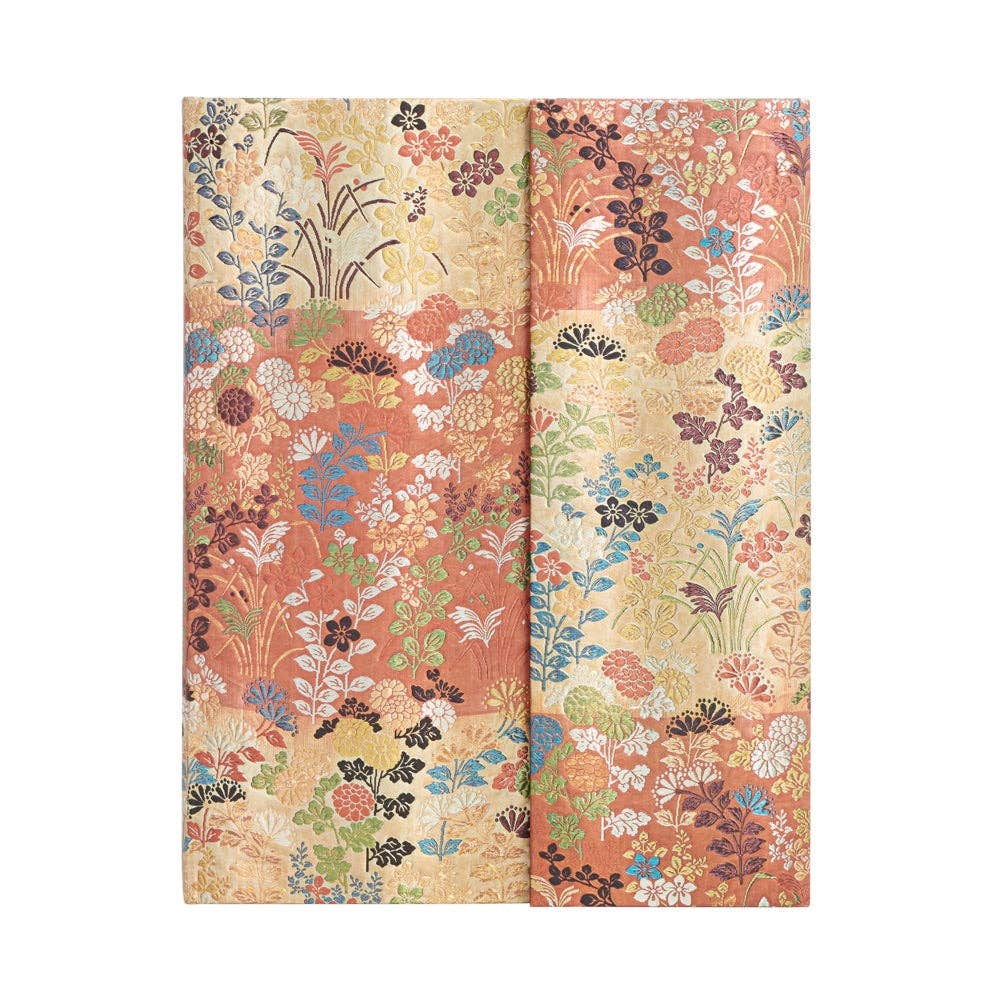
Paperblanks Kara-ori Ultra Lined Hardcover
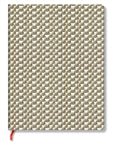
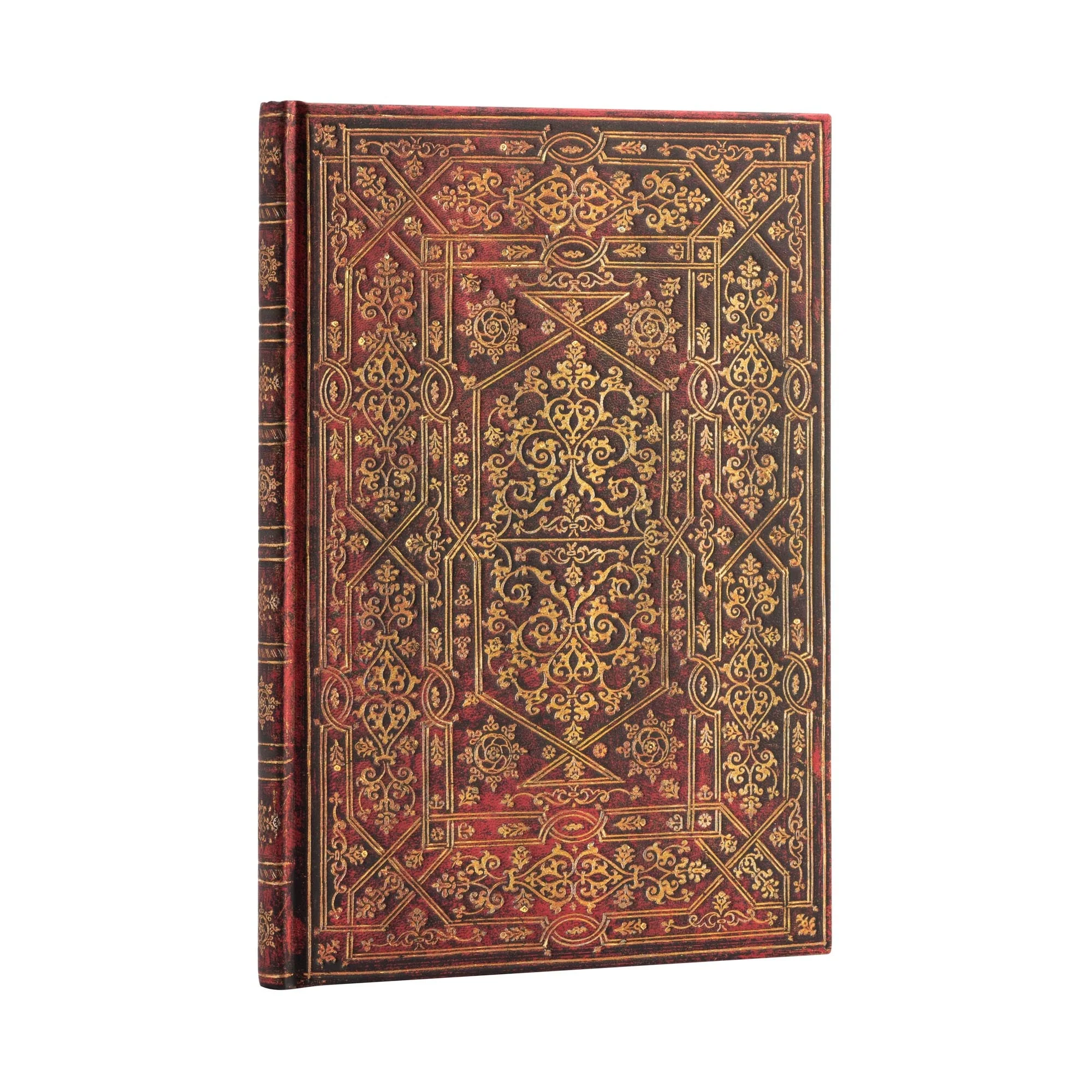
Showcasing silk dyed with beni (the pigment extracted from safflower petals) and lacquered in gold, this kimono design dates to the Edo period (1615-1868). It was originally used as a costume for the theatrical style known as Noh. Karaori refers specifically to the exquisitely embroidered woman's kimono that traditional Noh theatre was known for. Both the material itself and the pattern depicted would have helped tell the story of the character. In this case, the stiff brocade creates a thick, glossed fabric that would not drape easily - this created an angular effect evoking the spirit of a noblewoman. The pattern of flowering grasses emphasized the character's femininity.
Original: $24.95
-65%$24.95
$8.73Paperblanks Kara-ori Ultra Lined Hardcover
Showcasing silk dyed with beni (the pigment extracted from safflower petals) and lacquered in gold, this kimono design dates to the Edo period (1615-1868). It was originally used as a costume for the theatrical style known as Noh. Karaori refers specifically to the exquisitely embroidered woman's kimono that traditional Noh theatre was known for. Both the material itself and the pattern depicted would have helped tell the story of the character. In this case, the stiff brocade creates a thick, glossed fabric that would not drape easily - this created an angular effect evoking the spirit of a noblewoman. The pattern of flowering grasses emphasized the character's femininity.
Product Information
Product Information
Shipping & Returns
Shipping & Returns
Description
Showcasing silk dyed with beni (the pigment extracted from safflower petals) and lacquered in gold, this kimono design dates to the Edo period (1615-1868). It was originally used as a costume for the theatrical style known as Noh. Karaori refers specifically to the exquisitely embroidered woman's kimono that traditional Noh theatre was known for. Both the material itself and the pattern depicted would have helped tell the story of the character. In this case, the stiff brocade creates a thick, glossed fabric that would not drape easily - this created an angular effect evoking the spirit of a noblewoman. The pattern of flowering grasses emphasized the character's femininity.